
Whole House Rewiring in MA & Southern NH
Older wiring, a remodel or more room to grow? Plan the right wiring for your home with Sylvester Electric, serving Merrimack Valley and Southern New Hampshire.
Request a Rewiring Assessment
Call 978-957-3422
Family-owned since 1979 · Based in Dracut
Does Your Home Need a Full Rewire?
A well-planned rewire can replace deteriorated wiring and provide circuits, outlets and lighting suited to the rooms you use. The right scope starts with assessment—not the age of the house alone.
We assess wiring type, insulation condition, grounding and previous alterations. A fault affecting one outlet or circuit may have a focused repair solution; widespread deterioration or a multi-room renovation may call for partial or whole-house rewiring.
Repeated breaker trips or flickering lights need diagnosis. For an existing fault, start with electrical troubleshooting and repair.
Compare Your Rewiring Options
Targeted repairs address an identified problem when the remaining wiring is suitable.
Partial rewiring updates selected circuits, rooms or renovation areas, with retained wiring assessed for the proposed work.
Whole-house rewiring replaces wiring throughout the agreed areas. Your written scope should identify circuits, devices, retained equipment and exclusions.
Rewiring for Renovations, Remodels & Additions
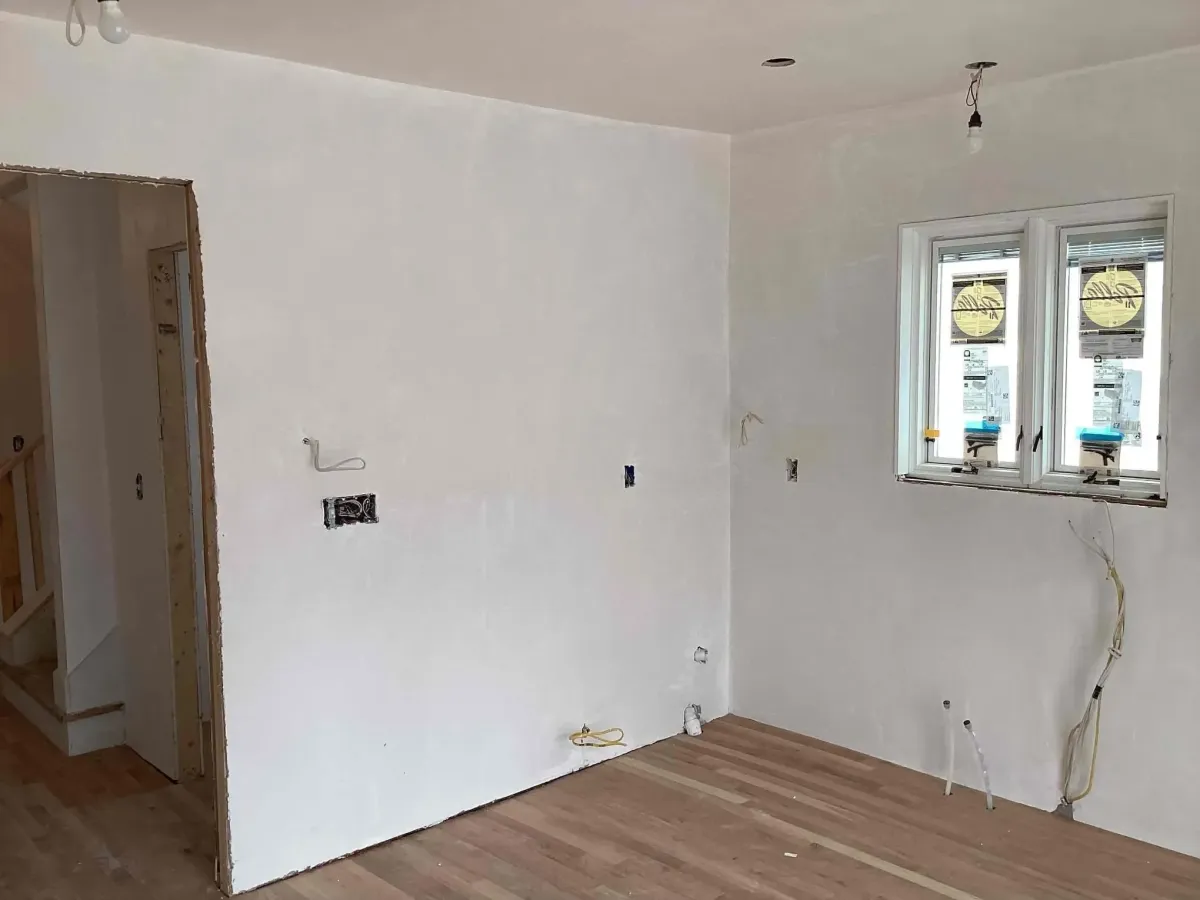
Bring electrical planning into your project before walls close. Whether you are remodeling a kitchen, finishing a basement or adding living space, we assess the existing wiring and plan the circuits, outlets, switches and lighting around how you will use each room.
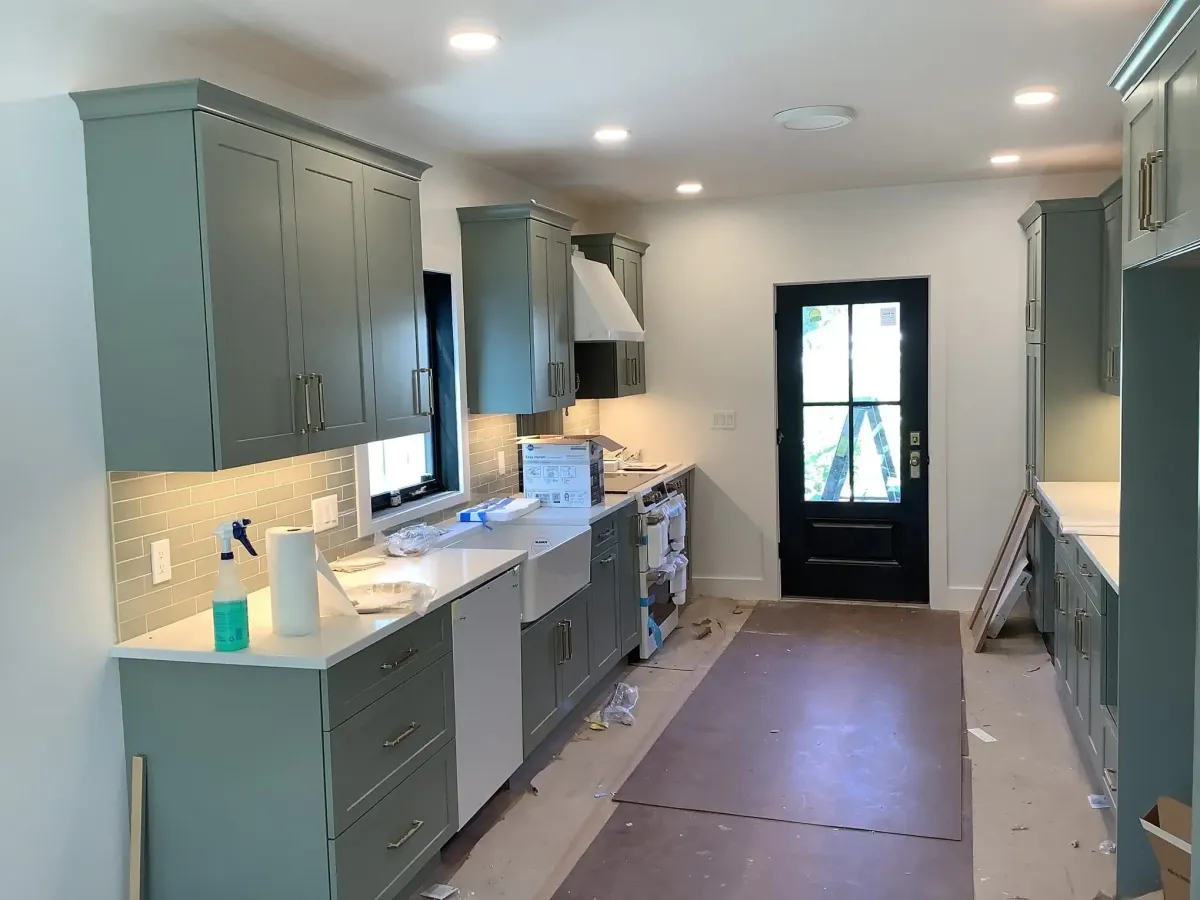
Kitchen and bathroom remodels: share appliance specifications and cabinet layouts early so circuit needs, receptacle locations and lighting controls can be planned together.
Additions and finished spaces: review the added electrical load, panel capacity and wiring routes. An addition does not automatically require rewiring the entire existing home or upgrading the service.
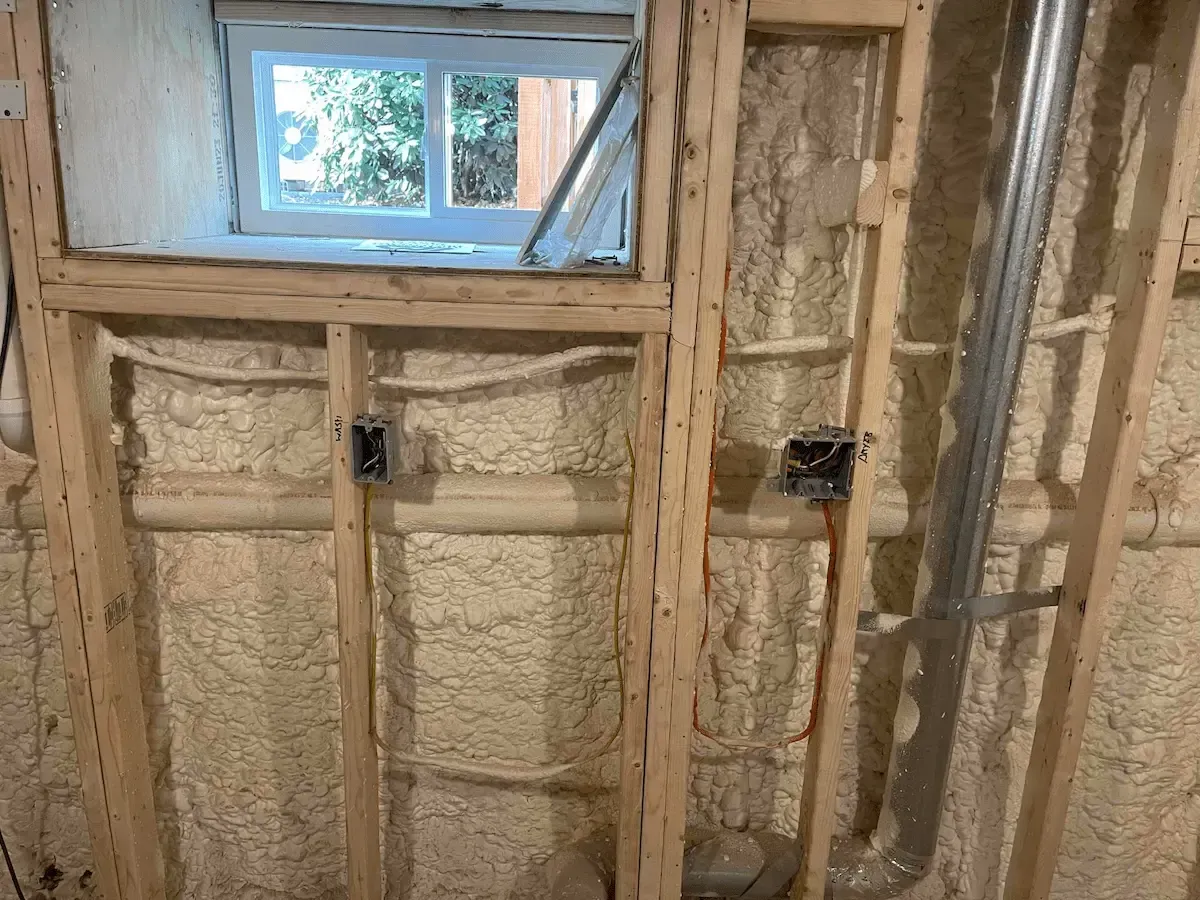
Open-wall renovations: accessible framing can make wiring routes easier to plan. Coordinate rough wiring and required inspections with your contractor before insulation and finishes.
Older or mixed wiring: assess circuits that will remain, including grounding and previous alterations. For active knob-and-tube circuits, see our knob-and-tube replacement service.
Grounding, Bonding, GFCI and AFCI Protection
Equipment grounding and bonding connect metal electrical parts into a fault-current path back to the supply, helping protective devices disconnect power during a fault. Simply adding a three-slot receptacle does not create an equipment ground.
GFCI protection helps reduce shock risk from ground faults. AFCI protection helps reduce fire risk from dangerous arcing. These protections do different jobs; neither replaces correction of damaged wiring or grounding and bonding problems.
We review the protection needed for the circuits being changed under the applicable local requirements. See the Electrical Safety Foundation’s home safety guidance.
Permits and Inspection Planning
Plan required electrical permits and rough and final inspections into the project schedule. Where rough wiring needs inspection, coordinate it before insulation or wall finishes conceal the work. Your written scope should identify who handles permits, inspections and finish repairs.
Massachusetts and New Hampshire adopt different electrical code editions and amendments. Requirements depend on the work, permit timing and the local authority—not simply the age of your home. See the Massachusetts electrical code and confirm the rules with your town’s electrical inspector.
What Affects the Cost of Rewiring a House?
Home size is only one factor. Circuit count, device locations, wiring condition and the agreed extent of replacement all affect the proposal.
Access: open framing differs from finished plaster or drywall. Attic, basement and crawlspace access affect routing and labor.
Electrical requirements: panel condition, grounding, circuit protection, permits and inspections may add work.
Finish repairs: confirm whether wall opening, patching and painting are included or handled separately.
Written scope: a project-specific proposal should identify what is included before work is scheduled.
Wall Access, Outages and Living at Home
Some wiring can be routed through accessible spaces; other projects require openings in finished walls or ceilings. We discuss likely access points before work begins.
Power interruptions depend on the circuits and installation sequence. Tell us about refrigeration, home working, pets and essential equipment so access and outages can be planned.
Whether you can remain at home depends on the scope, work areas and availability of essential circuits. Agree on these arrangements before scheduling.
A Clear Plan From Assessment to Completion
1. Assess your wiring and goals. Share inspection findings, renovation plans and known electrical problems.
2. Review the written scope. Confirm circuits, devices, retained equipment, access, finish repairs and price.
3. Plan the work. Confirm access, anticipated interruptions, required permits and inspection stages.
4. Complete and check the installation. Review circuit identification, installed devices and outstanding inspection or finish-work steps.
Questions About Home Rewiring
Can you rewire only part of a house?
Yes, when assessment supports that scope. Retained circuits and connections must be suitable for the proposed work.
How long does whole house rewiring take?
Circuit count, access, occupied rooms and inspection stages affect scheduling. We discuss timing after assessing your home and agreeing on the scope.
Does an older home automatically need rewiring?
No. Wiring condition, type, past alterations and intended use must be evaluated. Age alone does not establish that every circuit needs replacement.
Does a rewire include patching and painting?
Confirm that in the written proposal. Wall openings, patching, painting and other finish repairs may be handled separately.
Will walls need to be opened?
Sometimes. Access through unfinished spaces may reduce openings, but finished walls or ceilings may still need to be opened. We discuss likely access points before work begins.
What should I prepare for an assessment?
Share your town, approximate home age, renovation plans, known symptoms and any existing inspection report. You do not need to open electrical covers.
Does Rewiring Include a New Panel?
Only when it is part of the agreed scope. Panel replacement, service-capacity upgrades and branch-circuit rewiring solve different needs. Rewiring alone does not automatically increase your available service capacity.
We review your equipment and planned electrical load before recommending changes. Explore electrical panel replacement or dedicated circuit installation.
“The expertise and care applied to both fixing and installing new electrical wiring has been first rate.”
Anna K. · Customer review featured on our homepage
Local Rewiring Help in Merrimack Valley & Southern NH
Based in Dracut and family-owned since 1979, Sylvester Electric helps homeowners plan wiring work throughout Merrimack Valley and Southern New Hampshire. Tell us your town, the rooms involved and whether you are renovating, adding space or addressing an existing problem.
Explore local electrical services in Lowell and Salem, NH, or view our full service area. Our office confirms coverage, the appropriate appointment and any applicable charges.
What Our Customers are Saying
Technician arrived on time, he repaired the problem quickly and efficiently and I was happy with the cost ...not overcharged. I have already recommended the company to my friends and relatives.
★★★★★
Judy D.
They installed smoke and carbon monoxide detectors and two light fixtures. They were easy to work with and very professional.The technician was personable and knowledgeable.
★★★★★
Elena C.
The expertise and care applied to both fixing and installing new electrical wiring has been first rate. We have been impressed by the efficiency and ease of contact with the team. We recommend Sylvester for anyone looking for top tier and reliable electrical work at a fair price.
★★★★★
Anna K.