
Electrical Switches & Outlets
Convenient power. Safer outlets. Smarter controls.
Replace worn outlets and switches, add USB-C charging or choose controls that fit everyday life. Sylvester Electric provides outlet and switch repair, replacement and installation for homeowners in the Merrimack Valley, Massachusetts and Southern New Hampshire.
From protective receptacles to timers and connected devices, start with the right device and the wiring behind it.
Electrical devices that make home life easier
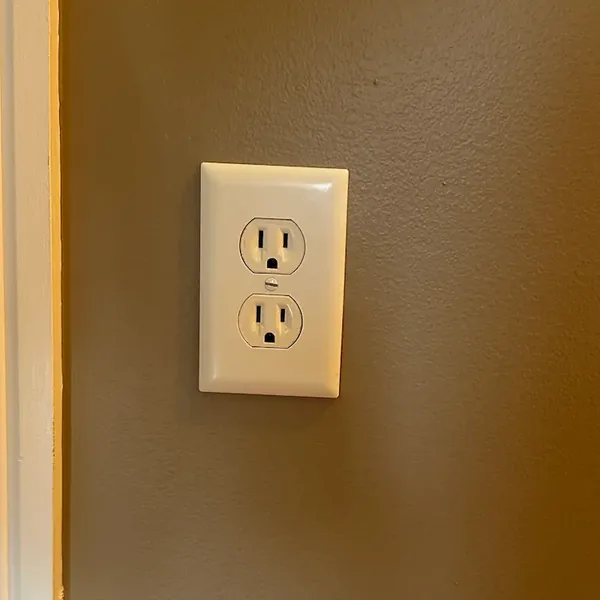
Outlet replacement, repair and new locations Replace a worn receptacle, repair a loose connection or add power beside a desk, bed or TV. A dead outlet does not always need replacement: an upstream protective device, wiring fault or circuit problem may be responsible. We identify the cause before recommending the work.
USB-A and USB-C charging receptacles Charge phones and tablets without filling every outlet with adapters. USB-C Power Delivery, available wattage, your cable and the device determine charging speed; some ports share their output. We check box space, circuit suitability and any required protection before selecting a charging outlet.
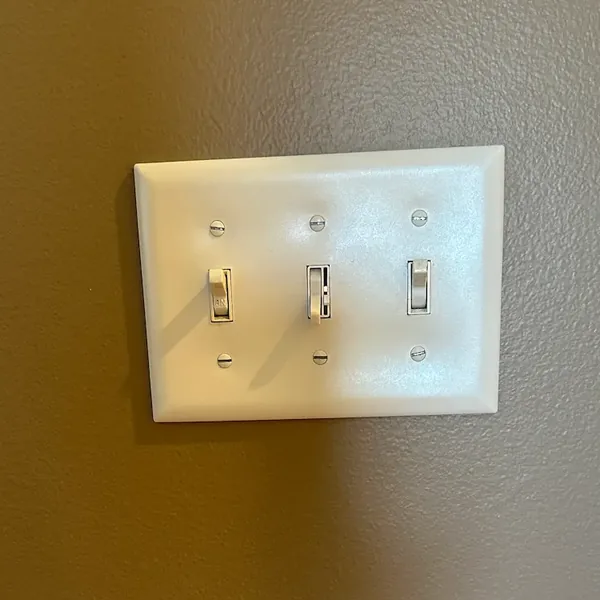
Dimmer switches and lighting controls Set a comfortable level with an LED-compatible dimmer, or operate the same lights from two or more locations with suitable three-way or multi-location controls. Flicker and buzzing can indicate poor compatibility. A dimmer must match the lamps or driver; fan motors require appropriate fan-speed controls.
Timers, time clocks and motion controls A countdown timer can run a bathroom fan for a selected period. Programmable or astronomical time clocks can control equipment on a schedule, while occupancy and vacancy sensors respond to how a space is used. The control must match the voltage, load type, rating and intended application.
Smart switches and home automation Use compatible controls for schedules, scenes, app access or a paired wireless remote. Wi-Fi and hub-based systems have different requirements. We review the existing wiring, box space, lighting load and system compatibility. Many smart switches need a neutral wire; suitable no-neutral options exist for certain applications.
Humidity controls, humidistats and thermostats A humidity-sensing fan control can respond to moisture in a bathroom; a humidistat controls equipment based on humidity rather than temperature. Thermostats may use low-voltage or line-voltage wiring and are not interchangeable. Tell us the equipment and control you have so the electrical scope and compatibility can be confirmed.
Data, telephone and cable-TV connections Plan Ethernet data jacks for a home office, telephone jacks where needed, and coaxial wall connections for television equipment. These are low-voltage connections, separate from power receptacles. Cable type, routing, termination and the existing service affect the project; a new wall jack alone does not increase internet speed.
Guide lights and coordinated wallplates Integrated receptacle nightlights and compatible LED guide-light plates can provide soft light in a hallway, bedroom or bathroom without occupying a plug socket. We check device compatibility, electrical listing and fit. Matching plate styles and finishes can give a room a more coordinated appearance.
Outdoor receptacles and protective covers Convenient patio or yard power needs more than an indoor outlet outdoors. We review weather-resistant devices, suitable boxes, GFCI protection and covers appropriate for the exposure. Where required, an in-use cover protects the connection while a cord is plugged in.
Appliance and specialty receptacles An appliance connection must match its voltage, amperage, plug configuration and installation instructions. A different outlet face does not add circuit capacity. A dedicated circuit may be needed instead of extending a nearby circuit, depending on the equipment and existing load.
Safer receptacles: GFCI, AFCI and more
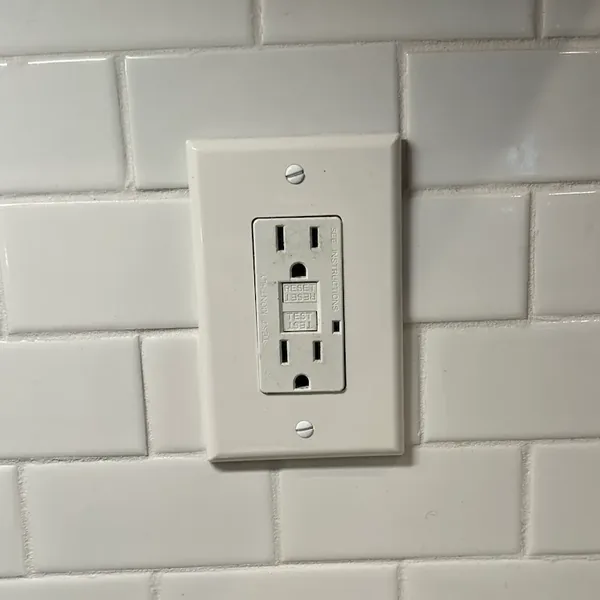
GFCI protection helps reduce electric-shock risk. A ground-fault circuit interrupter compares current leaving on the hot conductor with current returning on the neutral. A small imbalance can indicate an unintended path, causing it to interrupt power. Kitchens, bathrooms, garages, basements and outdoor areas are common locations. One correctly installed GFCI may protect additional downstream receptacles.
AFCI receptacles address a different hazard. An outlet branch-circuit arc-fault circuit interrupter detects certain hazardous arcing conditions and interrupts power to help reduce electrical fire risk. It is not the same as GFCI shock protection. Placement, wiring condition and the permitted protection method matter; installing one at an arbitrary outlet does not automatically protect the entire circuit. Dual-function AFCI/GFCI receptacles combine both protective functions where suitable.
Tamper-resistant outlets for homes with children. Built-in shutters help prevent a child from inserting a single foreign object into the receptacle slots. These devices add a useful layer of protection for households with babies and young children, but they are not childproof and do not replace supervision. Loose plugs, cracked faces and damaged plates still need attention.
Surge-protective receptacles for electronics. These devices help limit brief voltage spikes reaching connected equipment. TVSS is the older term for transient voltage surge suppression; SPD is the current general term. Surge protection is different from AFCI and GFCI protection. Grounding, ratings and coordination with panel-level protection matter. No device guarantees protection against every surge.
How to reset an accessible GFCI. Only try a reset when the device and surrounding area are dry and undamaged, without heat, burning smells or sparking. Safely unplug connected equipment, follow the device instructions and press RESET once. If it will not latch or immediately trips again, stop and arrange diagnosis. Do not open the cover, bypass protection or repeatedly reset it.
TEST checks protection; RESET restores power. Follow the manufacturer testing instructions, commonly monthly. Indicator colors vary by model. Missing supply power, faulty equipment, moisture, damaged wiring or a failed device can prevent a reset. GFCI protection does not create an equipment ground or replace overload protection.
Outlet and switch repairs
outlets that no longer provide power
loose outlets where plugs fall out easily
switches that stop working or feel worn out
flickering lights when using switches
discolored outlets or burn marks on wall plates
buzzing sounds from switches or outlets
outlets that feel warm or hot to the touch
outdated two prong outlets or lack of GFCI protection
Loose plugs, intermittent power or a switch that stops working deserve a closer look. A dead outlet or tripping breaker does not automatically mean the device needs replacement. We check the device and its connections, the circuit and any upstream GFCI protection before recommending a repair. For broader power problems, see our electrical troubleshooting service.
Heat, burning smells or discoloration? Stop using the affected device. If you can safely identify and reach the correct breaker without approaching damaged equipment, switch off the circuit. Do not remove covers or touch exposed wiring. For smoke, fire or immediate danger, leave the area and call 911.
Plan the right device and installation
Planning an upgrade? Tell us your town, which rooms you want to improve and how you use each space. If something is not working, describe what happens and whether one device or several are affected. Our office will help arrange the appropriate visit and explain applicable charges. Your electrician assesses the wiring, grounding, box space and circuit capacity, then discusses the recommended work and price before you approve it.
Step 1 Evaluation: We inspect your existing switches, outlets, and wiring to identify any issues, safety concerns, or upgrade needs.
Step 2 Planning: We recommend the right solutions, whether it’s standard replacements, GFCI upgrades, dimmer switches, or new outlet installations, ensuring everything meets current electrical code.
Step 3 Installation: Our electricians safely install or replace switches and outlets with clean, organized workmanship and proper connections.
Step 4 Testing and Inspection: We test each switch and outlet to ensure proper operation, safety, and reliable performance.
Plan the wiring as well as the device
Two-prong outlets and grounding A three-slot replacement does not create an equipment ground. After checking the wiring, suitable options may include a grounded wiring upgrade or a permitted GFCI-protected replacement with the required labels. GFCI protection does not create an equipment ground or satisfy every appliance requirement. Replacement allowances do not automatically permit extending an ungrounded circuit.
When a dedicated circuit makes sense Before adding a new outlet, consider what will use it and what already runs on the circuit. Appliance instructions, circuit-use requirements or insufficient capacity may call for a new dedicated circuit. Panel space, breaker compatibility and overall electrical demand also need review.
What affects the price? The number and type of devices, wiring condition, grounding, box space, circuit capacity and troubleshooting affect the scope. A new wiring route through plaster, tile, brick or finished walls can involve more work than replacing an existing device. Basement or attic access and any finish repairs also matter. Ask for a clear proposal for your home.
Outlet and switch questions
Does a dead outlet always need replacement?
No. An upstream GFCI, circuit fault, loose connection, overloaded circuit or connected equipment can cause the problem. Diagnosis identifies whether the outlet itself needs replacement.
Why does my GFCI keep tripping?
Moisture, faulty connected equipment, damaged wiring, installation problems or a failing GFCI may be responsible. Do not bypass it or repeatedly reset it without finding the cause.
Can you replace a two-prong outlet with a three-prong outlet?
Only after assessing the wiring and the appropriate code-compliant option. A grounded wiring upgrade or a permitted, correctly labeled GFCI-protected replacement may be suitable. GFCI protection does not create an equipment ground.
Will a smart switch work with my existing wiring?
It depends on the model, lighting load, box space and switch arrangement. Many smart switches need a neutral wire; some compatible models do not. The wiring must be verified before choosing equipment.
Can you add an outlet without installing a dedicated circuit?
Sometimes. The existing circuit must be suitable for the added load and proposed use. Appliance instructions, circuit requirements or insufficient capacity may require a dedicated circuit instead.
Make a device-by-device list. Include the loose outlet, a switch that needs repair, USB-C charging, a timer, a smart control or a data jack. Tell us your town and what you want each device to do. Call the number at the top of this page, choose Schedule Online or use the request form below.
Related electrical services
New controls need to match the equipment they operate, and new receptacles need suitable circuit capacity. If available circuit space or panel condition affects the work, explore electrical panel assessment and replacement.
What Our Customers are Saying
Technician arrived on time, he repaired the problem quickly and efficiently and I was happy with the cost ...not overcharged. I have already recommended the company to my friends and relatives.
★★★★★
Judy D.
They installed smoke and carbon monoxide detectors and two light fixtures. They were easy to work with and very professional.The technician was personable and knowledgeable.
★★★★★
Elena C.
The expertise and care applied to both fixing and installing new electrical wiring has been first rate. We have been impressed by the efficiency and ease of contact with the team. We recommend Sylvester for anyone looking for top tier and reliable electrical work at a fair price.
★★★★★
Anna K.
A closer look at outlets and controls
From protective receptacles to coordinated controls, choose devices that fit how you use each room.
Related electrical services
Some device projects also need wiring repairs, a new circuit or a review of the panel. Explore the service that fits your project.
Tell Us What You Want to Improve
Tell us your town and the outlets, switches or controls you need help with.