Breakers keep tripping
Recurring trips need diagnosis. We look at affected circuits and equipment before recommending repairs or additional capacity.

Sylvester Electric helps Lowell homeowners and property managers assess panel problems, service capacity, and plans for new electrical equipment. We review the existing panel, wiring, meter arrangement, and building needs before recommending work.
Panel and service projects can support new appliances, heat pumps, additions, EV charging, and other planned loads. We explain the scope and estimate before work begins.
Your home’s age alone does not determine the condition or capacity of its electrical system. Tell us what you’re noticing and what equipment or renovation you’re planning so we can assess the panel, wiring, and service.
Recurring trips need diagnosis. We look at affected circuits and equipment before recommending repairs or additional capacity.
Heat or a burning smell near electrical equipment needs prompt attention. If there is smoke, fire, or immediate danger, leave the area and call 911.
A diagnostic visit can help identify the cause. Dimming by itself does not establish that a service upgrade is needed.
We assess the equipment’s condition and suitability for the planned work, then explain replacement options. Confirm insurance requirements with your insurer.
Share the equipment specifications and location. We review the existing service and installation requirements before recommending changes.
We review planned appliances, room use, circuit needs, available capacity, and wiring access so the electrical scope fits the project.
Lowell’s triple-deckers, mill-era properties, and other multi-unit homes can have several meters, tenant panels, shared service equipment, and older wiring arrangements. We review the existing meter configuration, service capacity, panels, building access, and project plans before recommending work.
Some Lowell properties have a separate electric service and meter for each apartment. Others use a house meter for shared loads such as hallways, basements, laundry areas, and common-area lighting. We assess the existing meter arrangement, service capacity, meter sockets, panels, and planned loads before recommending work.
Common projects include meter socket and service upgrades, panel replacements, and capacity changes. Meter bypass equipment may be needed for some projects; utility requirements and the building setup determine the approach. Unit count, shared loads, access, permits, and utility coordination all affect the scope and estimate.
For occupied buildings, we discuss scheduling and any planned interruption with the owner or property manager. We explain the work and project-specific estimate before it begins. We don’t publish one-size-fits-all prices.
These photos show service and panel upgrade work completed in Lowell.
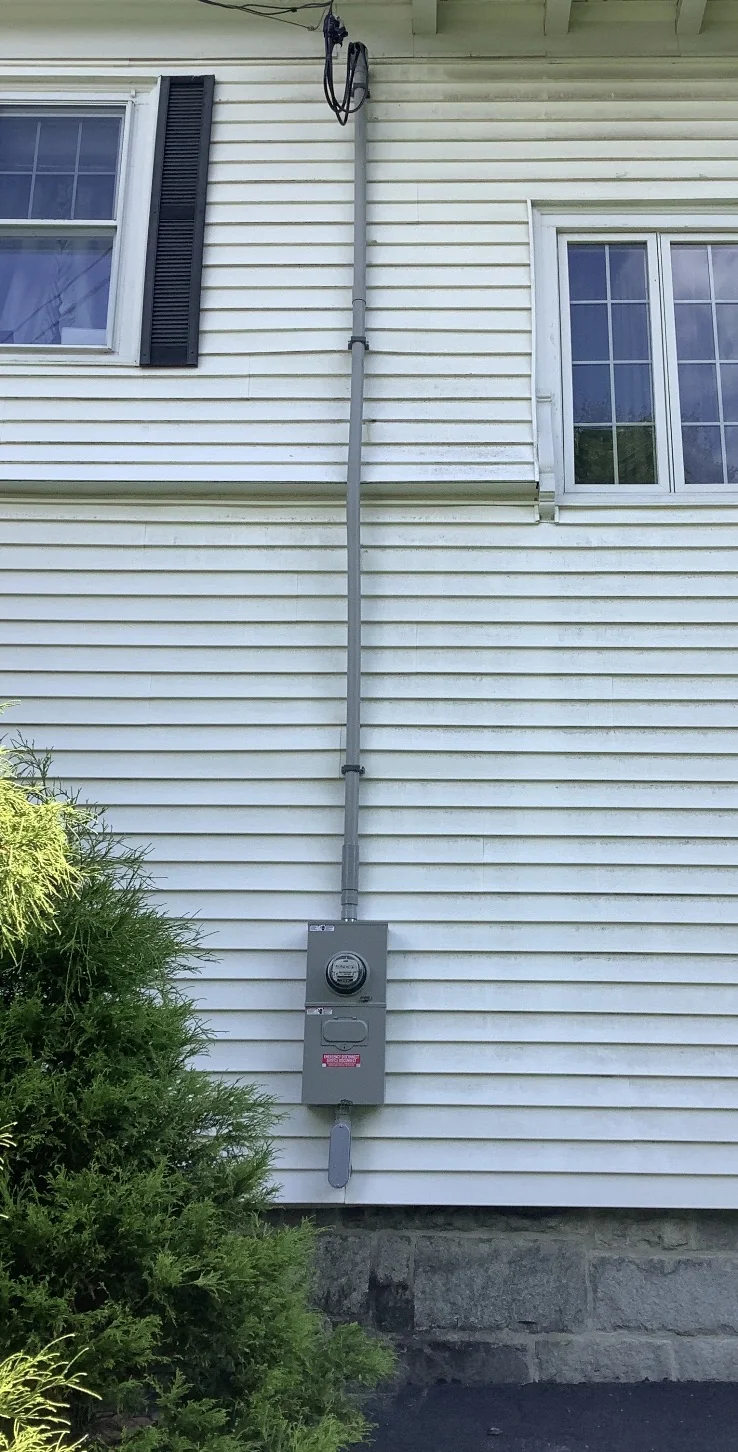
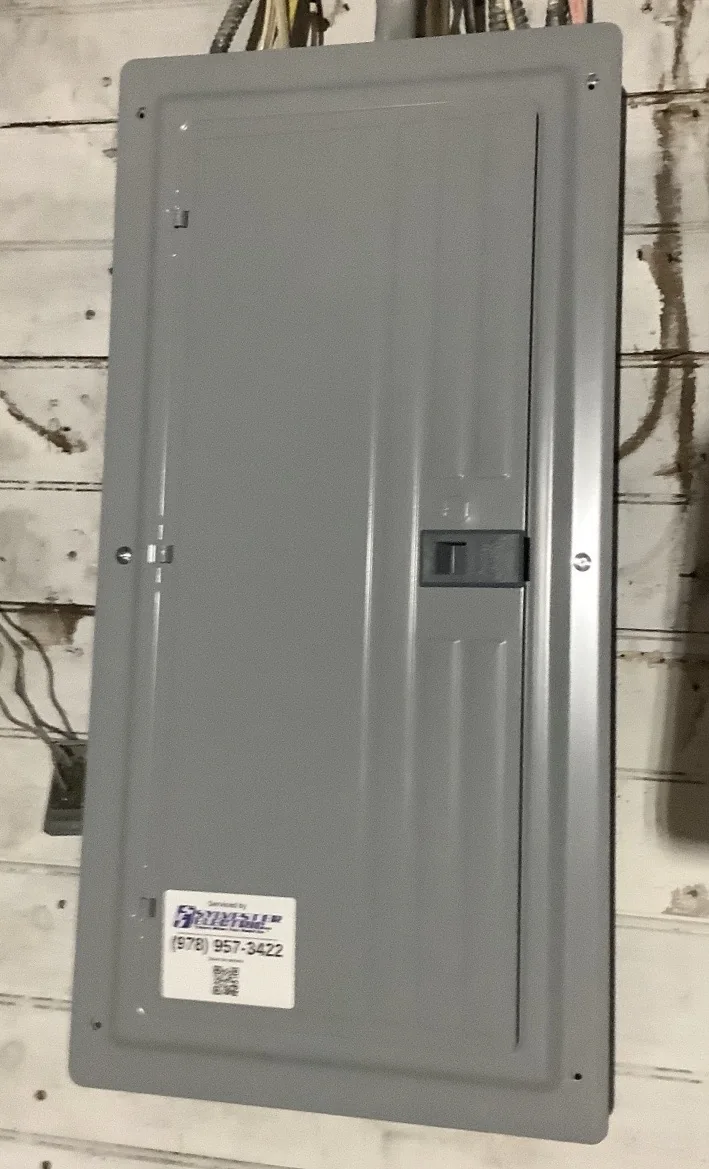
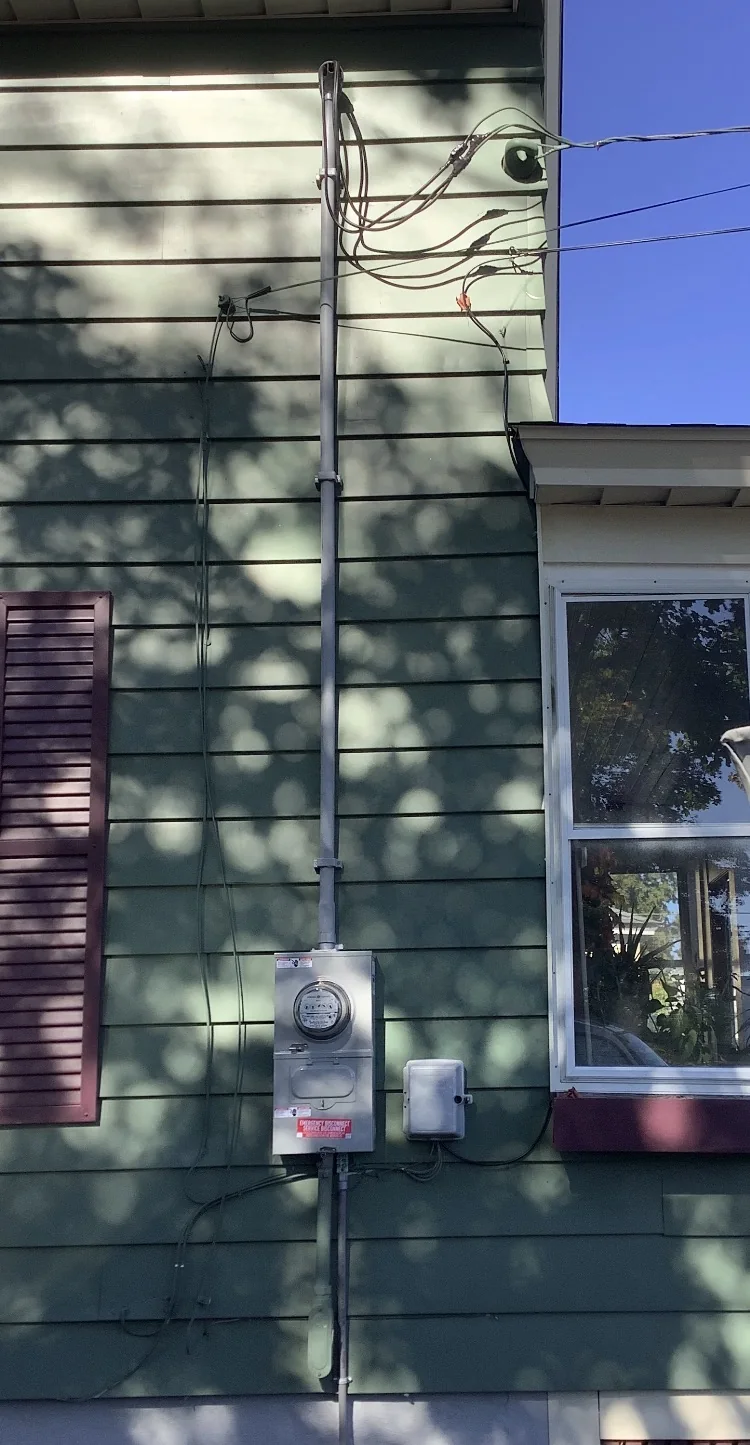
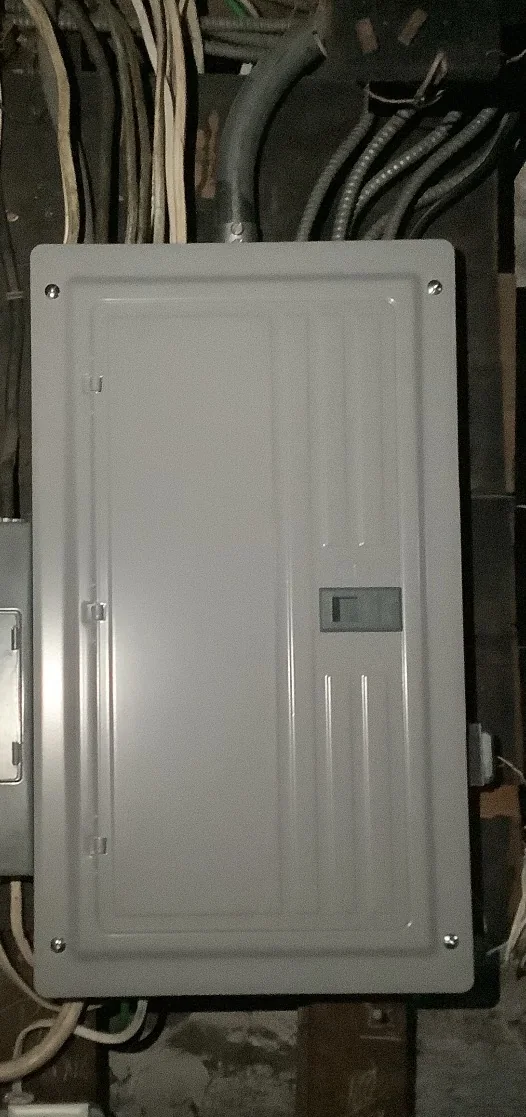
A common option when an existing service does not fit the home’s calculated demand and planned equipment. The right capacity depends on the electrical load and scope.
We assess the installed panel, including Federal Pacific or Zinsco equipment, and explain replacement options based on its condition and the planned work.
For larger loads, additions, detached garages, or workshops, we review whether a service upgrade or subpanel is appropriate.
Your estimate depends on the existing panel and service, required capacity, meter arrangement, wiring, access, equipment, permits, and utility coordination. For three-family and multifamily buildings, the number of meters and any required bypass equipment can affect the project scope.
We review the property and explain the work and cost before it begins. Every building is different, so we don’t post a price that may not fit your project.
We serve homeowners and property managers across Lowell, including Belvidere, Centralville, the Highlands, Pawtucketville, Back Central, South Lowell, and Downtown. Lowell properties include single-family homes, two-families, triple-deckers, Victorian homes, multifamily buildings, and older mill-era housing. The electrical scope depends on the equipment and wiring at each property.
A new living space can add electrical loads for cooking, heating, laundry, and other equipment. We can review the existing service, panel capacity, available circuits, and whether the project may need additional electrical capacity or a separate meter. An ADU does not automatically require a service upgrade or its own meter; the right setup depends on the building, planned loads, and utility requirements.
Lowell ADUs can be created inside a home, as an addition, or in a detached structure. Check the City of Lowell’s ADU guidance for local planning information.
We’ve built our reputation through safe, honest electrical work, one home at a time.
“Answered emergency call quickly and had us back online within a few hours. Good people! I would trust again!”
“No hidden fees, which was refreshing. They gave me a price for the panel upgrade and stuck to it. Clean work, no mess left behind. Highly recommend.”
“The dispatcher was so calm when I called about a burning smell. The electrician potentially saved my house from a fire. You can tell they care.”
★★★★★ 4.7 rating · 900+ Google reviews · Read our Google reviews
Permit and inspection requirements depend on the work planned. We review the scope and explain required coordination before the project starts.
Timing depends on the equipment, site conditions, utility coordination, and project scope. For multi-unit properties, meter configuration and any planned interruption also affect scheduling.
The right size depends on the existing service, calculated electrical demand, and planned additions. Your home’s age alone does not determine what it needs.
We assess the meters, service equipment, tenant panels, and building layout. If bypass equipment or utility coordination is required, we include it in the project scope and estimate.
No. We review your existing service, electrical demand, charger specifications, and installation location before recommending whether an upgrade is needed.
Tell us about the home or building, the number of units and meters, and what electrical work you’re planning. Our team can discuss the next step and the project-specific estimate.
Licensed in Massachusetts & New Hampshire
MA Electrical Business #4328 A1
Master Electrician: MA #18290 A · NH #11225