
Generator Installation in Andover, MA
Plan a permanent automatic standby generator installation for your Andover home. We help you choose between selected circuit backup and broader whole home coverage, size equipment for your household loads, and coordinate transfer equipment, placement, fuel supply and electrical work.
Choose the circuits and appliances you want to support during an outage.
We assess generator capacity, transfer equipment and placement before recommending a system.
Your proposal explains electrical work, fuel coordination, permits and inspection requirements.

Licensed & Insured
Clear Project Proposals
Trusted Since 1979
Locally-Owned
IS YOUR HOME READY FOR THE NEXT OUTAGE?
Signs you May Need a Standby Generator...
You Work from Home
Include home office equipment in your backup-load plan. Internet access also depends on your service provider and network equipment.
Medical Equipment in the Home
Include powered medical equipment in your backup-power planning. A standby generator does not provide uninterrupted power; ask your equipment supplier about independent backup options.
Refrigerators & Freezers at Risk
Include refrigerators and freezers when planning backup circuits and equipment capacity.
Frequent Power Outages
If outages disrupt your home, discuss which circuits you want to support. Automatic transfer can restore selected loads after the system starts.
You Have a Sump Pump or Well
Discuss sump pump or well pump starting loads during generator sizing. Backup power supports the pump but cannot guarantee protection from flooding.
Heating or Cooling Stops Working
Heating and cooling equipment can have substantial starting loads. We assess the equipment you want to support and explain generator capacity and load-management options.
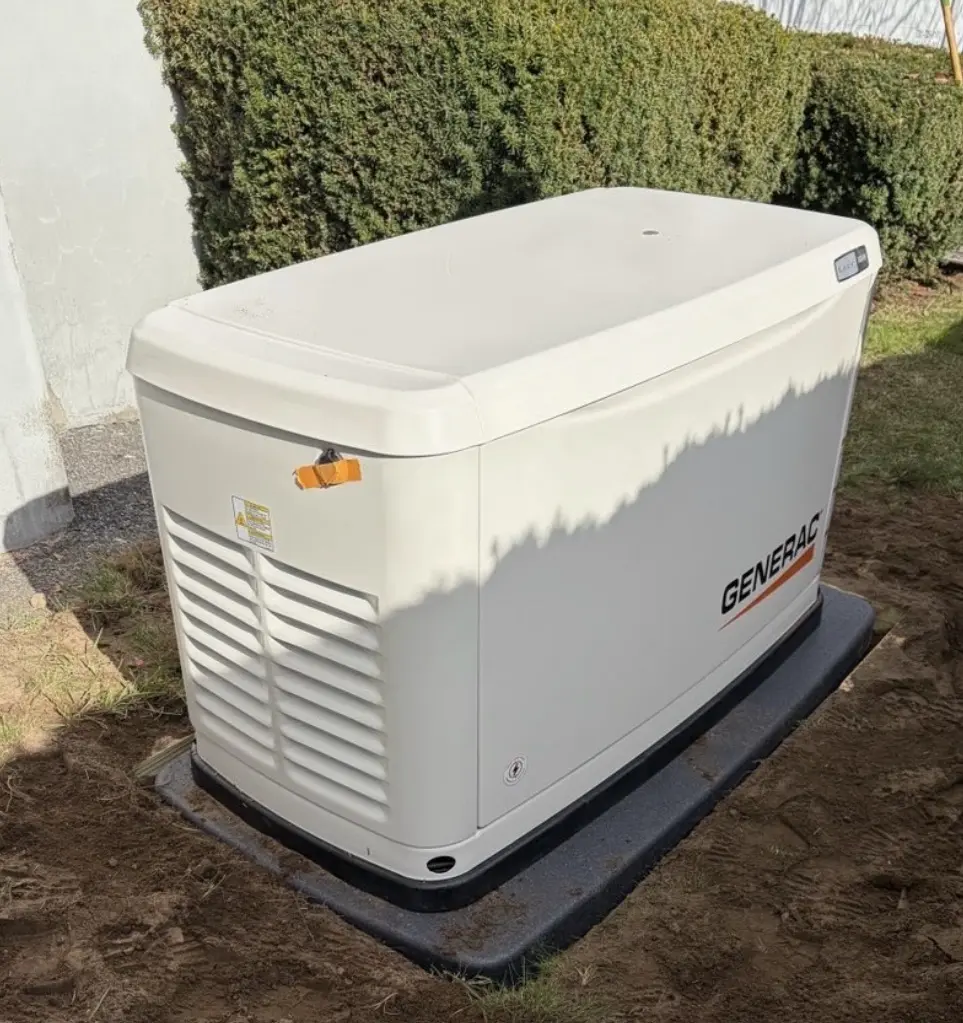

Generator Services in Andover, MA
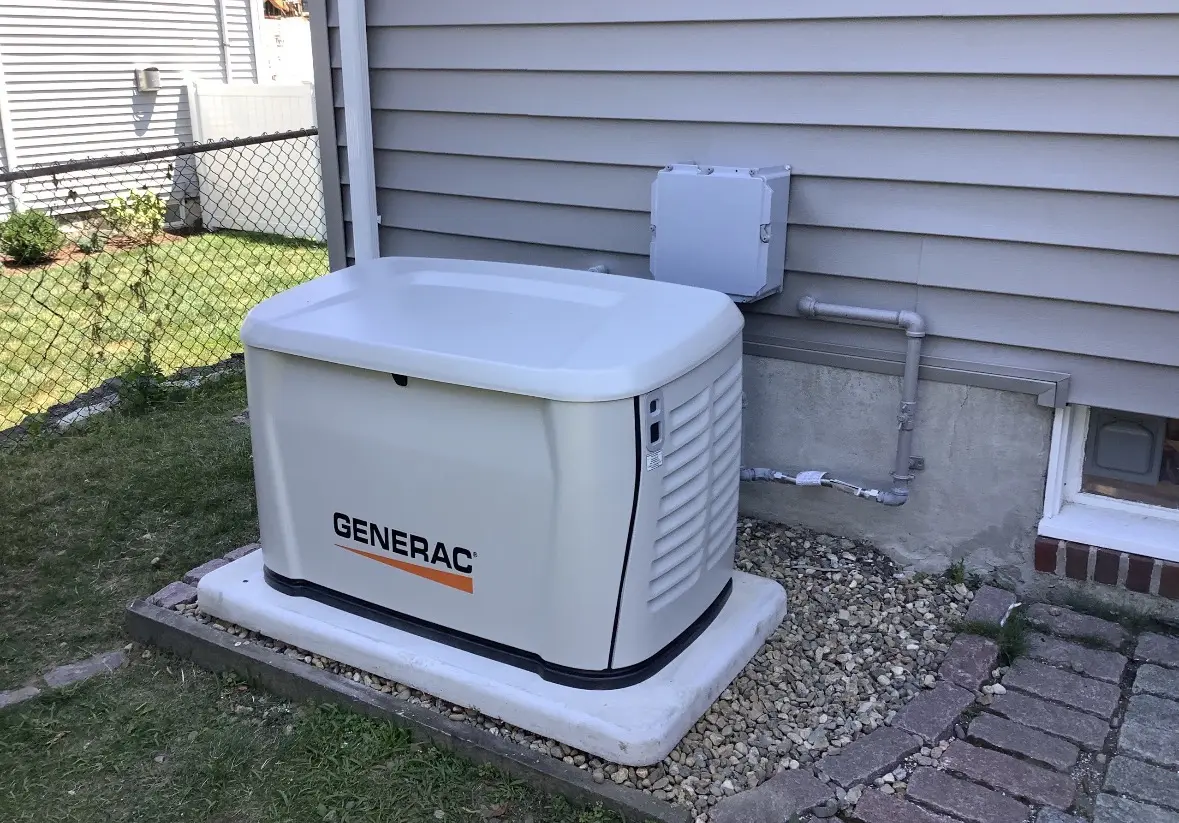
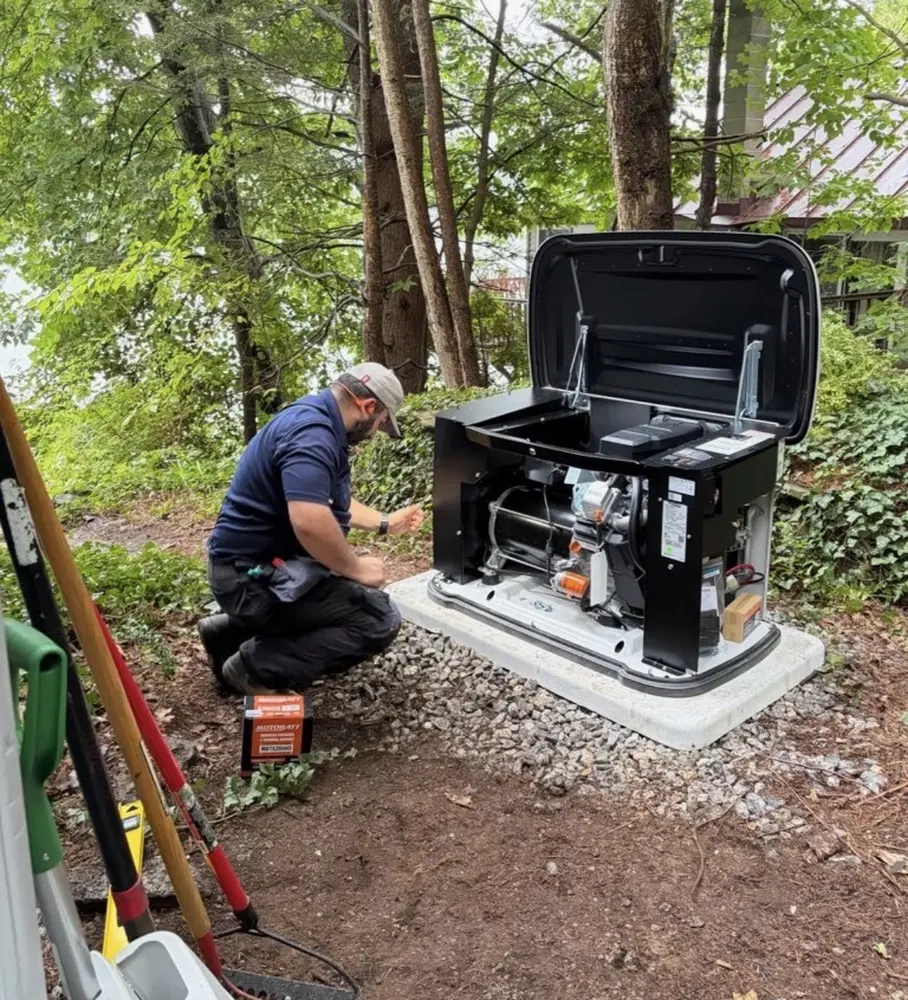
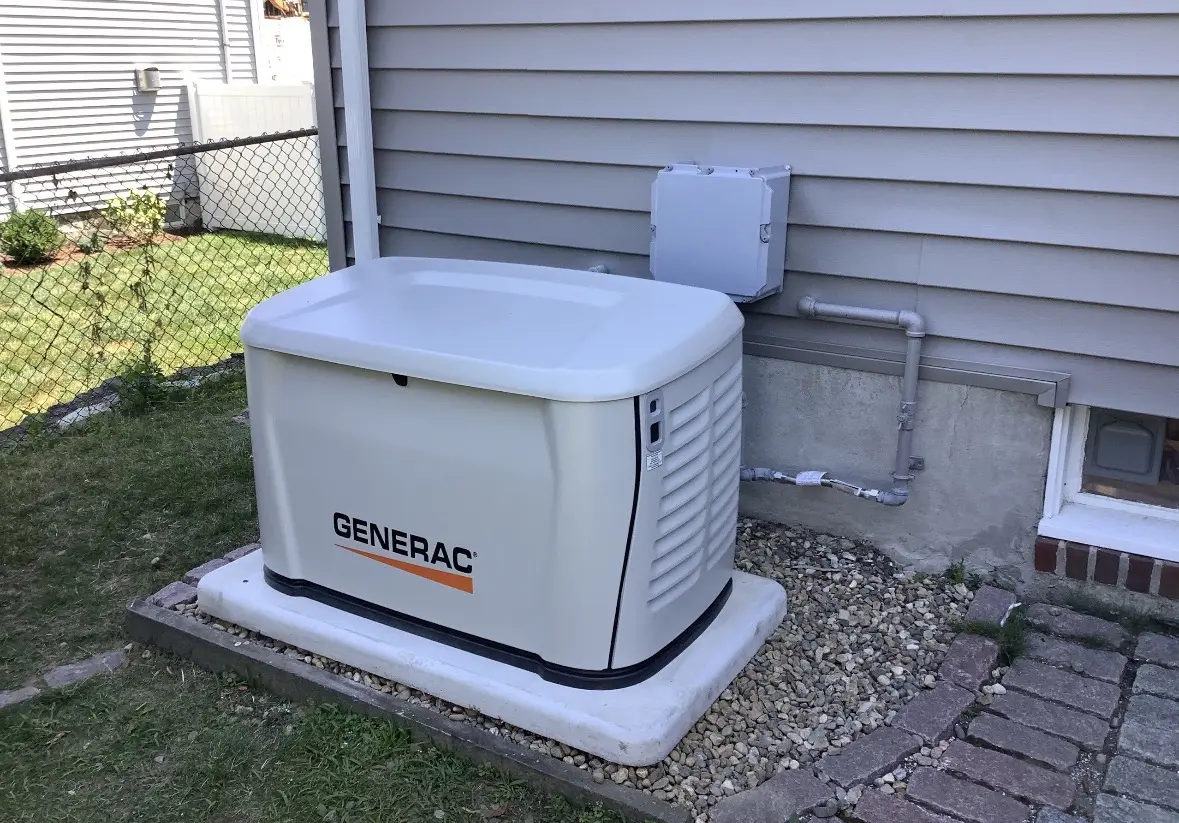
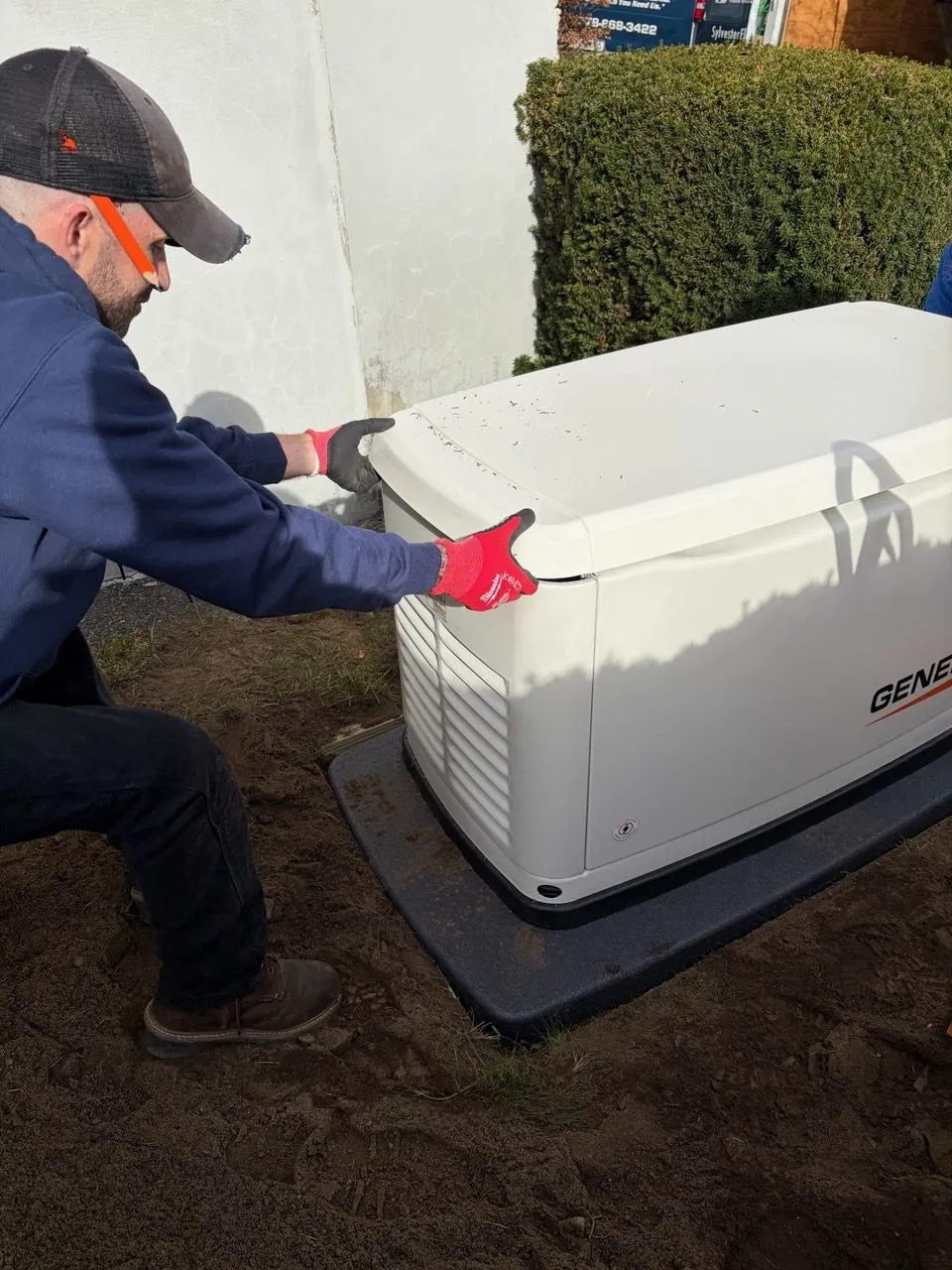
Our licensed electricians plan permanent automatic standby generator installations for Andover homes, including generator sizing, transfer equipment, placement, fuel coordination and the electrical work needed for the approved scope.
🏠 Whole-Home Standby Generator Installation
Start with your priorities, not a generator size. We review the circuits and equipment you want to support, your existing electrical system and the installation requirements. The proposed scope explains the equipment and related work so you can make an informed decision.
⚠️ Generac Generator Installation
Considering Generac? Ask us to review equipment options against your household loads, installation conditions and budget. Your proposal should identify the model, included equipment and applicable manufacturer warranty requirements.
🔄 Automatic Transfer Switch Installation
A standby generator can start and transfer supported circuits automatically after an outage. Transfer timing depends on the system; it does not provide uninterrupted power.
Natural Gas or Propane Coordination
We review the available fuel supply and coordinate the generator connection requirements with the appropriate utility or propane provider. Site conditions and fuel work can affect the project scope.
If you’re adding a generator, it may also be the perfect time to look at getting a panel or service upgrade
What to expect from your Sylvester Electric generator installation
We believe in clear communication at every step. Here's exactly what happens when you hire Sylvester Electric for a Generac generator install in Andover.
Plan the backup loads
We discuss the circuits and equipment you want to run, then assess running and starting loads to plan selected-load or broader whole-home backup.
Size the generator and transfer equipment
We match capacity and automatic transfer equipment to the agreed backup plan and your home's electrical system.
Agree on placement and fuel hookup
Sylvester Electric places the generator in the agreed location after reviewing access, manufacturer clearances and the electrical layout. You or Sylvester Electric can provide the fuel hookup; we confirm responsibility and scope before work begins.
Confirm electrical work, permits and price
Sylvester Electric completes the agreed electrical work, obtains the applicable permits and coordinates required inspections. We provide a written, project-specific proposal because cost depends on equipment, fuel work, placement and site conditions.
Schedule and install
After the scope, equipment availability, access and fuel responsibilities are confirmed, we schedule the installation and complete the agreed work.
Inspect and test the system
We coordinate required inspections and check generator startup, transfer and return to utility power. Automatic transfer takes time, so equipment needing uninterrupted power requires a separate backup plan.
Why Choose Sylvester Electric for Your Andover Generator Project?
Clear Appointment Planning
We respect your time. We arrive within the scheduled time window.
Upfront Pricing
Review the proposed electrical work and pricing before the project begins. Ask which equipment, fuel work, permits and related costs are included.
Family owned since '79
We aren't a franchise. Based in nearby Dracut, we've been serving Merrimack Valley homeowners for over 45 years. We treat your home like it's our own.
Planning a Standby Generator Installation?
Speak with Our Office About Your Project
Ask About Available Appointments
How much does a generator install cost in Andover?
Generator installation cost depends on backup loads, equipment, placement, fuel supply and the work required at your property.
Schedule a consultation to discuss your backup priorities and receive a project-specific proposal.
Fill out the Form Below to have One of our Team Members Contact You
Andover Standby Generator FAQ's
How do I know if my home needs a standby generator?
A standby generator may help support selected loads during an outage. Discuss priorities such as heating, refrigeration and sump pumps during an assessment. Equipment needing uninterrupted power also needs an appropriate independent backup plan.
How long does a generator install take in Andover?
Installation timing depends on equipment, site preparation, fuel supply, approvals and utility coordination. We explain the proposed schedule after assessing the project.
Is a permit required for a standby generator installation in Andover?
Permit and inspection requirements are addressed during project planning. Your proposal should explain who coordinates electrical permits, fuel work and inspections for your installation.
What size generator does my Andover home need?
Sizing starts with the circuits and appliances you want to back up, including starting loads and load management. We assess those needs and explain suitable equipment options.
What is the difference between selected-load and whole-home backup?
Selected-load backup supplies the specific circuits you choose, while a whole-home design aims to support more of the home's electrical needs. The right generator size depends on those loads, the equipment's starting requirements and how the system is configured.
Does Sylvester Electric install Generac Generators in Andover?
Ask our office about available Generac equipment, installation support and manufacturer warranty requirements for your proposed system. Confirm the equipment and coverage in your proposal.
How are generator placement, fuel and permits planned?
Sylvester Electric plans the generator location to meet the applicable building and equipment clearance requirements and completes the installation in the agreed location. The fuel hookup can be provided by you or included in Sylvester Electric’s project scope; we confirm that responsibility before work begins. Sylvester Electric obtains the applicable permits and coordinates required inspections.
Schedule a Generator Assessment in Andover
Tell us what you want to keep running, whether you already have a generator, and your Andover address. Call our office or complete the consultation form above. We will help arrange the next step and explain what information is needed for a project-specific proposal.
Some Kind Words from our Neighbors
We’ve built our reputation through safe, honest electrical work — one home at a time.
Other Electrical Services we Offer in Andover
Standby Generators are often completed alongside other improvements. Our licensed electricians handle it all.

Master Electricians
Project Planning
Established 1979
Locally Owned
Licensed in Massachusetts & New Hampshire
MA Electrical Business #4328 A1
Master Electrician: MA #18290 A · NH #11225