1. Plan the circuits you want backed up
We review startup and running loads, your electrical panel and whether load management could fit your priorities.

We assess your home’s electrical loads and the circuits you want backed up, including equipment startup demand, to help determine the right generator size.
We review generator placement, the electrical wiring route and available fuel. Natural gas or propane connection work is scoped separately and may require coordination with a qualified fuel contractor.
An automatic transfer switch detects utility loss, starts the generator and transfers the selected loads; it returns them to utility power when service is restored. A panel upgrade is considered only if the existing panel, service capacity or project design calls for one.
Verified excerpts from Google reviews

Generac Dealer
Written Installation Scope
Trusted Since 1979
Family-Owned
Include your home office, router and other priority circuits in the backup plan. Generator startup takes time, and internet service still depends on your provider.
A standby generator has a startup and transfer delay. For medical equipment that needs continuous power, follow the equipment provider’s separate battery-backup and emergency plan.
Refrigerators and freezers can be priority loads. We account for compressor startup demand when sizing the generator and selecting backed-up circuits.
If outages disrupt your household, choose which loads matter most and how long you may need backup power. Fuel availability and regular maintenance are part of that plan.
If your home uses a sump pump or well pump, include its starting power needs in the assessment. Backup coverage depends on the generator size and circuits connected.
Heating and cooling equipment can be among your largest loads. We review furnace, heat pump and air-conditioning requirements before recommending generator capacity or load management.
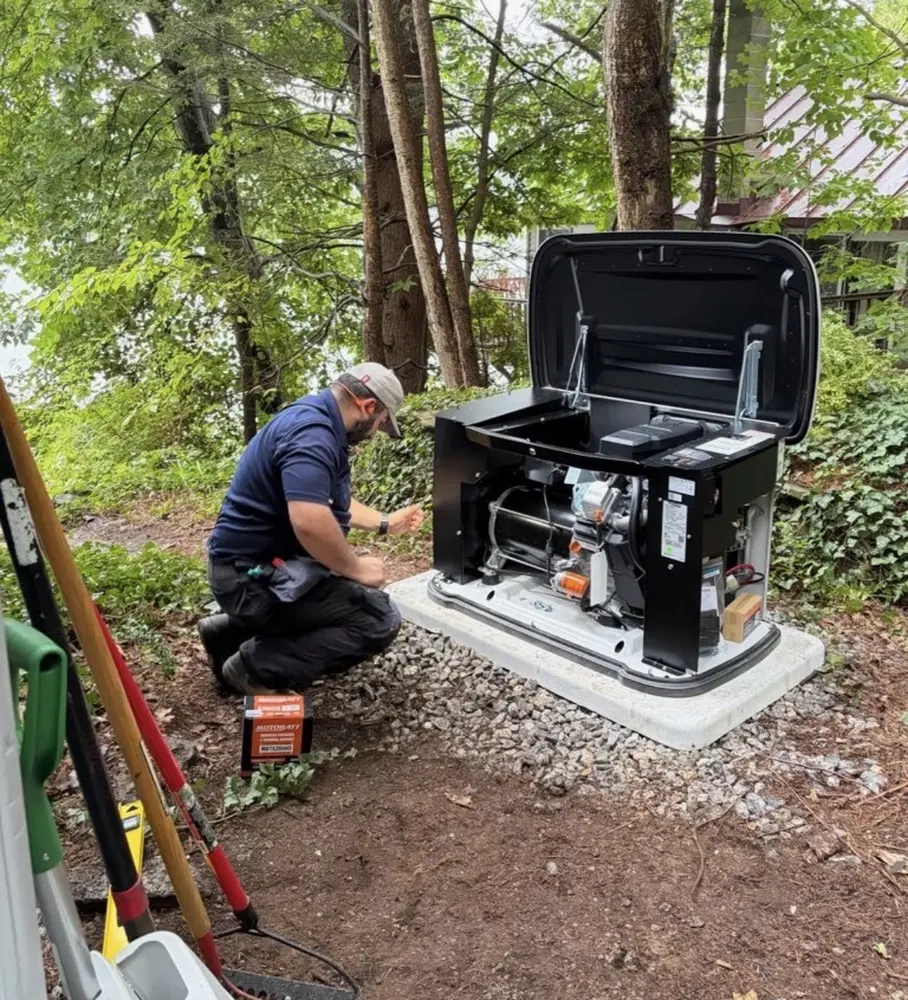
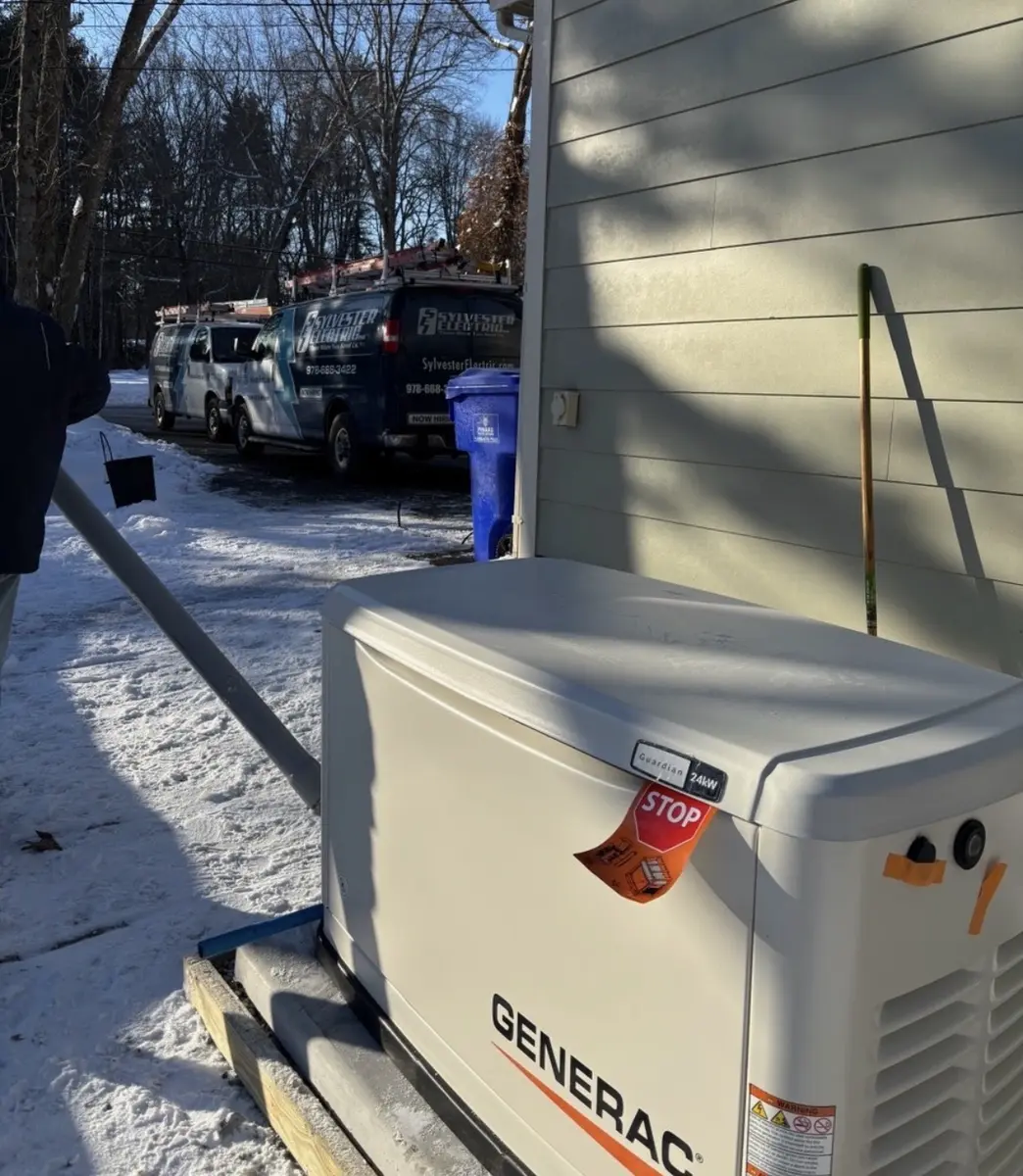
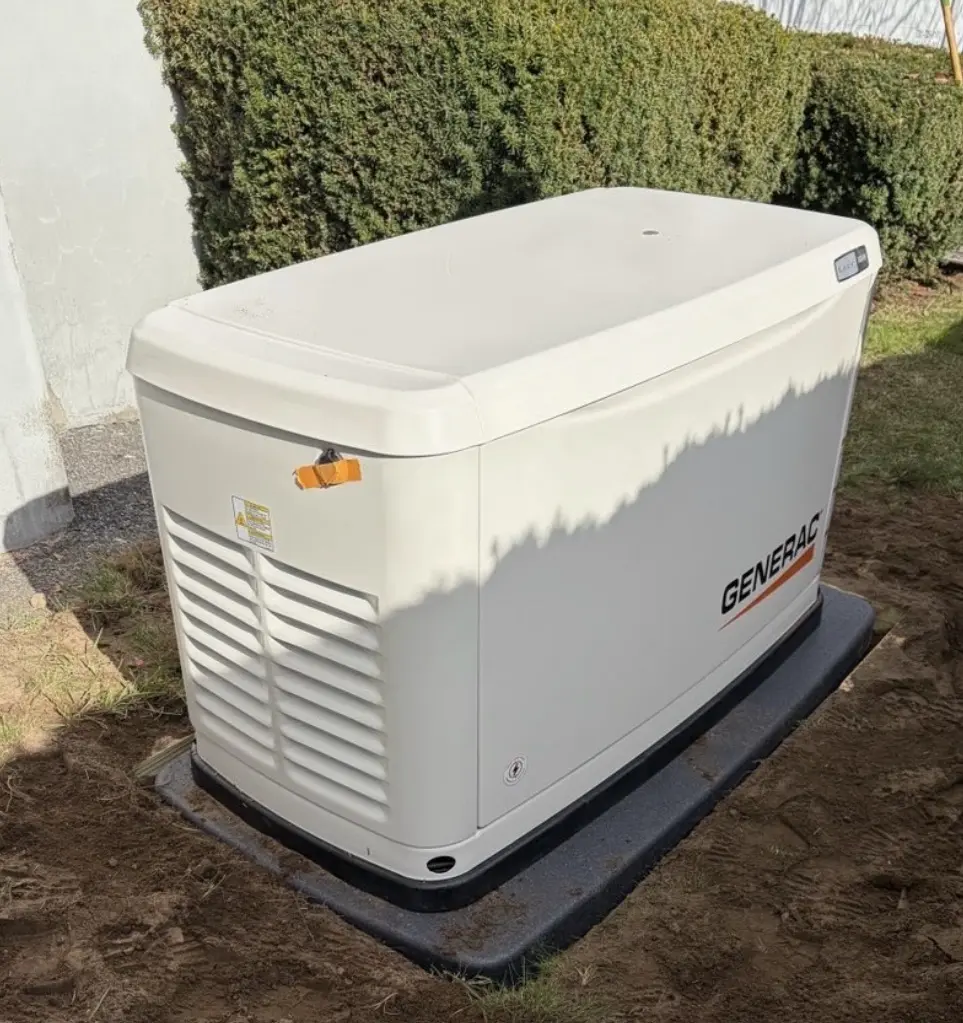
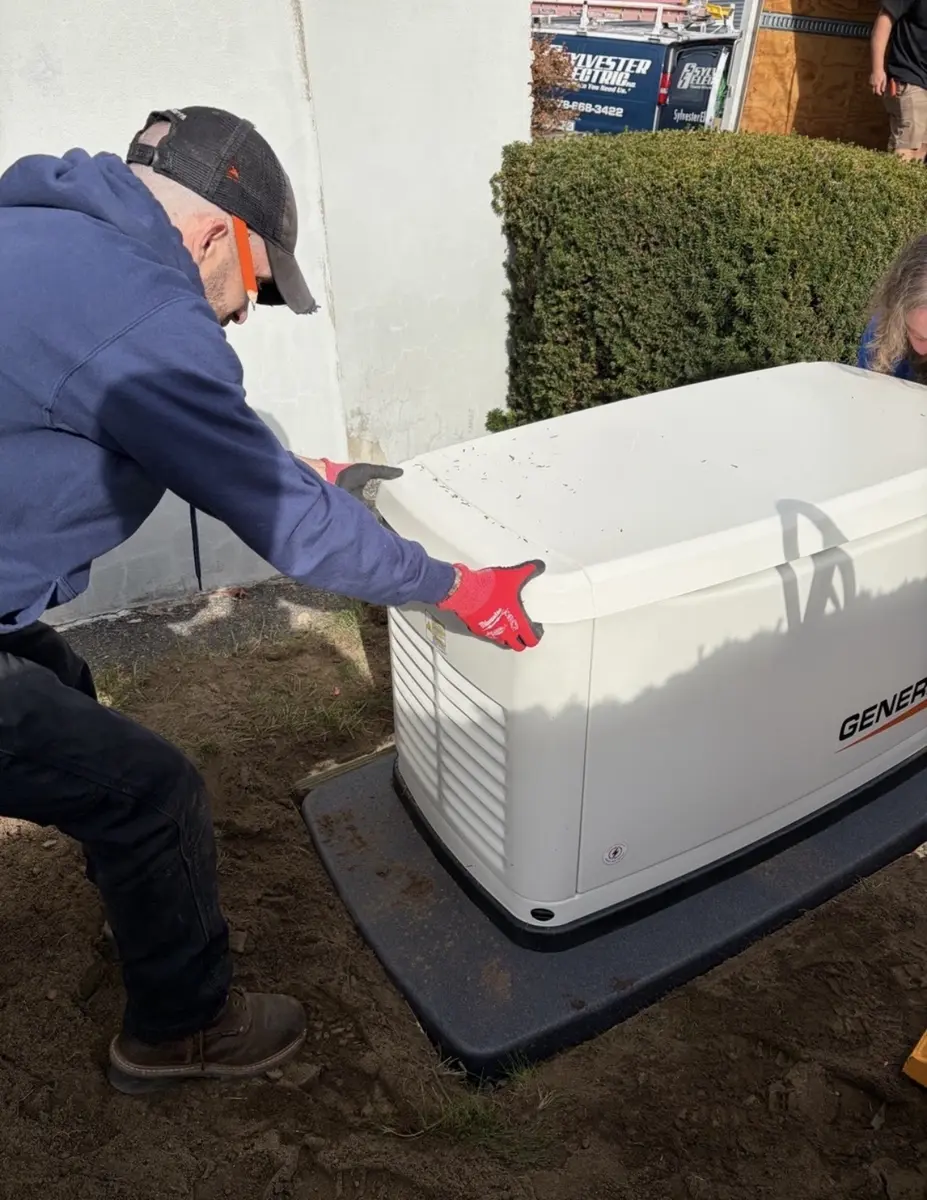
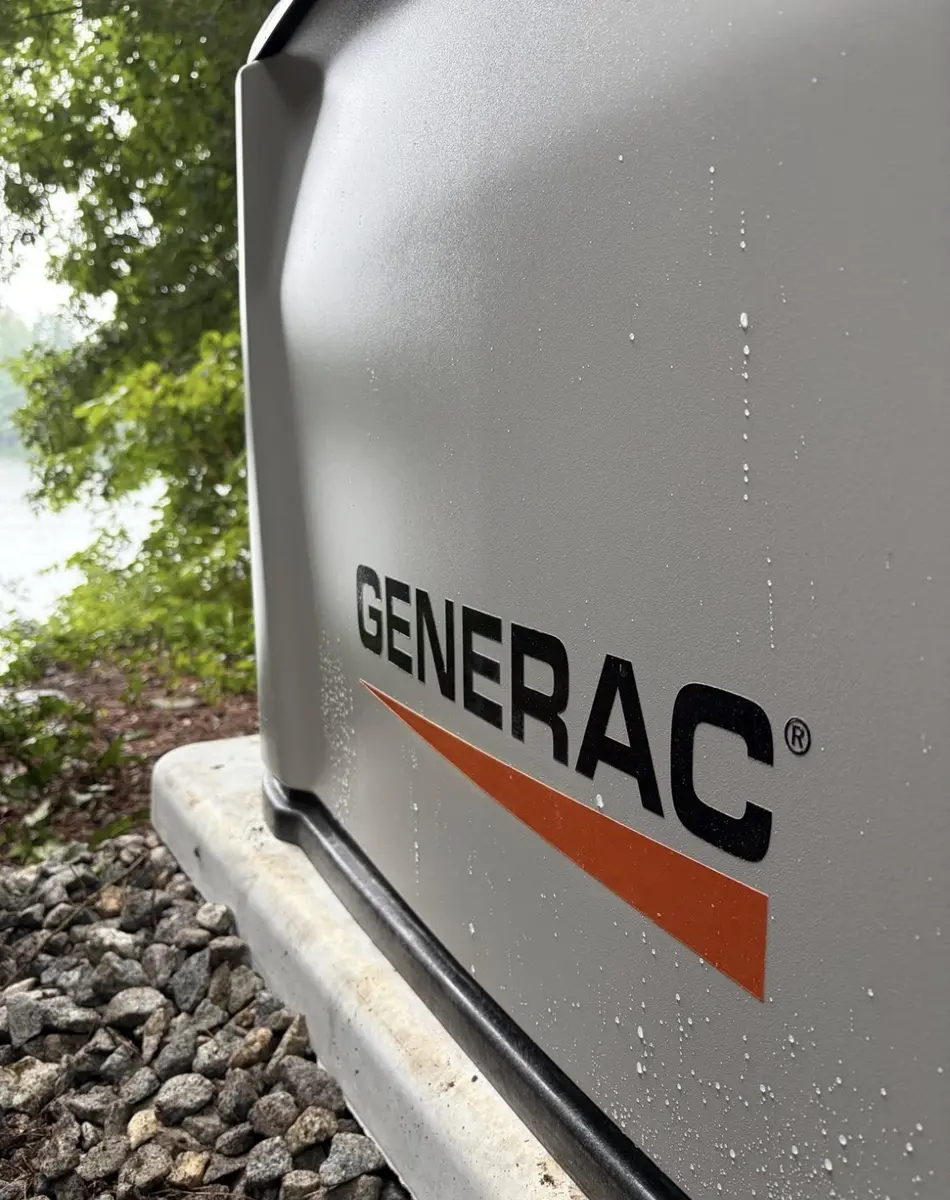
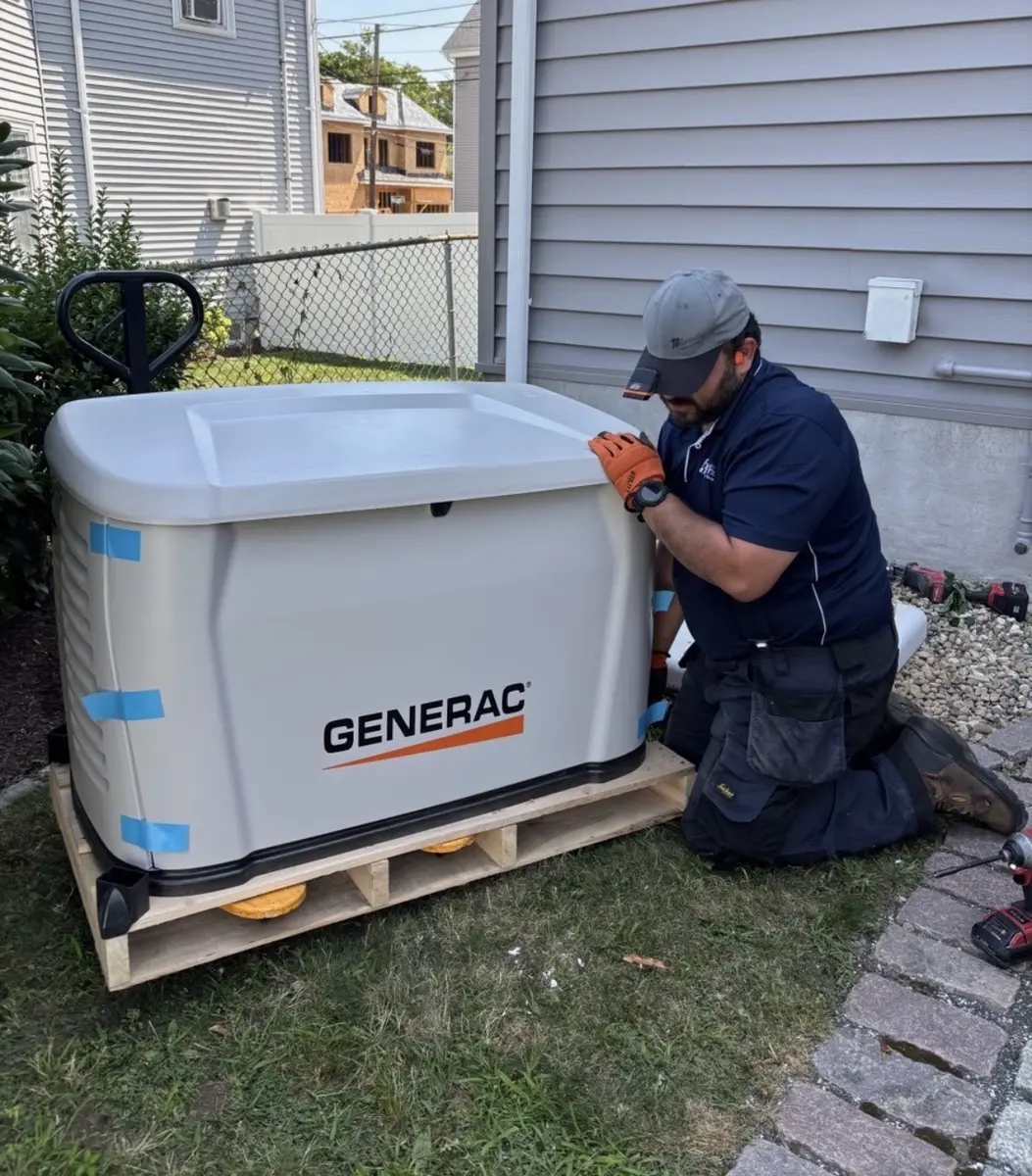
Choose essential-circuit or broader whole-home coverage. Your proposal identifies the generator, transfer equipment, electrical work, site preparation and any separate fuel work.
We assess Generac standby generator options against your home’s running and starting loads. Model selection, fuel requirements and warranty details belong in your written proposal.
An automatic transfer switch detects utility loss and transfers the selected loads after the generator starts. It returns them to utility power when service is restored.
Natural gas: Where gas service is available, a standby generator connects to a dedicated fuel line. A qualified fuel contractor checks meter capacity, pressure, routing and utility coordination.
Propane: An on-site tank may be above or below ground. Tank size, regulator, delivery access and generator load affect runtime. Tank placement and fuel-line work are coordinated separately.
We review startup and running loads, your electrical panel and whether load management could fit your priorities.
We review equipment clearances, yard access, wiring route, noise considerations and available gas or on-site propane. Fuel work is scoped separately and may require a qualified fuel contractor.
Requirements depend on project scope. We confirm applicable electrical permits and inspections with the Town of Dracut. Gas or propane work may involve separate coordination or permits.
The written scope identifies electrical work, transfer equipment, site preparation and any separate fuel work. Scheduling depends on equipment availability and site conditions.
We coordinate required electrical inspections, test outage transfer and restoration, and explain the brief startup delay.
We show you system controls and the exercise cycle, review the manufacturer’s maintenance schedule and explain how to request service.
Published installation ranges for common generator sizes.
Published ranges for manual transfer equipment and inlet options.
These ranges are for early budgeting, not a quote. Final pricing depends on equipment, backed-up loads, electrical and fuel scope, wiring route and site conditions. Confirm current pricing and inclusions in a written estimate.
Dracut is mostly made up of single-family detached homes, with townhouses and smaller multifamily homes in some areas. Traditional villages such as Collinsville, Dracut Center, East Dracut, Kenwood and the Navy Yard sit alongside newer subdivisions and more rural eastern properties. On tighter lots, clearances and the wiring route may shape generator placement; larger properties can offer more choices but longer electrical or fuel runs. We plan around your panel, driveway and yard access, grade, available fuel and the circuits you want backed up.
Review the proposed work and pricing before authorizing it. Ask what is included and how any additional work will be approved.
See what homeowners say about their experience with our team.
Consider the equipment you want to keep running, your experience with outages, your fuel supply and your budget. An assessment helps compare essential-circuit backup with broader coverage. A generator has a startup delay and does not replace an uninterrupted-power plan for critical equipment.
The schedule includes assessment, equipment availability, permits, electrical installation, fuel connections, inspections and startup. On-site work is only part of the timeline. Your written proposal should identify the expected schedule and any dependencies.
Permit and inspection requirements depend on the installation, electrical scope and any separate fuel work. We confirm applicable requirements with Dracut before work begins; gas or propane work may require coordination with a qualified fuel contractor.
Sizing depends on the running and starting loads of the equipment you want to back up, not square footage alone. We assess large loads such as heating, air conditioning and pumps, plus whether load management can meet your priorities with a smaller generator.
Call (978) 957-3422 to discuss your generator model, service needs and appointment availability. Regular maintenance follows the manufacturer’s schedule. We confirm the scope and availability when you contact our team.
For Dracut properties, the written scope should identify equipment clearances, the electrical route and any separate fuel work.
Before installation, we confirm applicable permit and inspection steps and review the expected schedule with you.
Don't wait for the next storm. If your home is showing any of the warning signs above — or you simply want reliable backup power — reach out to Sylvester Electric today.
Level 2 home charger installation. We handle capacity checks, wiring, and permits.
Assess panel condition and available service capacity before adding loads. Replacing a panel alone does not increase utility service capacity.
🔧 Other Electrical Services
Troubleshooting, breaker replacement, outlets, wiring issues.
Standby generators: See our generator installation overview for related project planning.
Load Assessment
Transfer Equipment
Fuel + Permits