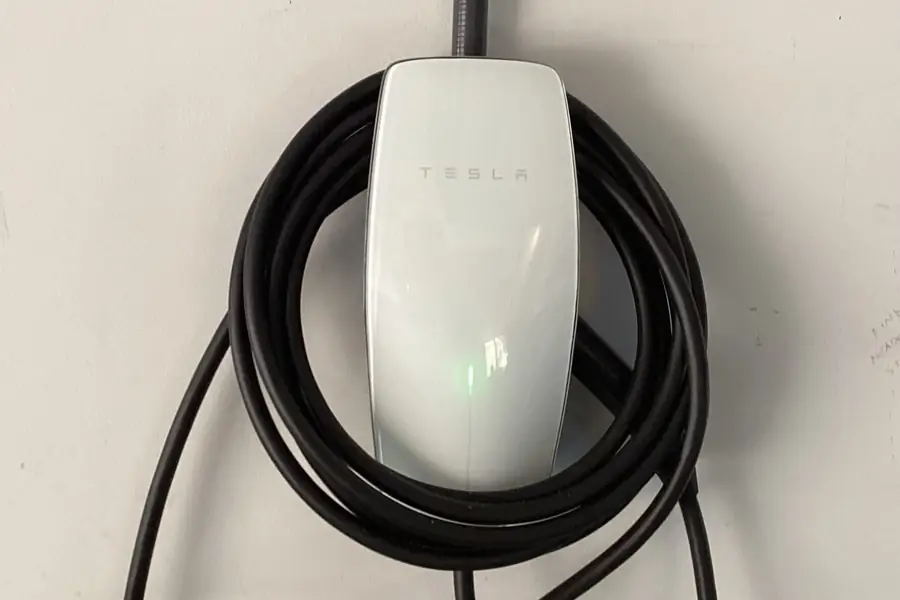
You want to charge your electric vehicle at home, but you're not sure your electrical panel can handle it. That's a common question for homeowners in Dracut, Lowell, Nashua, and the surrounding Merrimack Valley and Southern New Hampshire communities. The good news: a 200-amp upgrade isn't automatically necessary for a Level 2 charger. The answer depends on your home's electrical demand and the charging equipment you choose.
Quick answer: An electrician should assess the existing service, panel condition, connected loads and available capacity. Some 100-amp homes can support an appropriate Level 2 setup. Other homes need a lower charging current, an approved load-management system or electrical upgrades.
Does a Level 2 charger require 200-amp service?
No. A 200-amp label by itself doesn't guarantee sufficient spare capacity, and a 100-amp label doesn't automatically rule out Level 2 charging. Your heat pump, electric range, dryer, water heater, air conditioning and other major loads all matter. A properly performed electrical load calculation is more useful than guessing from the number on the main breaker.
Level 2 equipment usually operates at 240 volts. Chargers are available with different output settings. You do not necessarily need the fastest available charging rate if the car sits in your garage overnight. The right setup should reflect your mileage, the vehicle's charging capability and your home's electrical capacity.
What does an electrician check before installing a charger?
For a home EV charger installation, the assessment normally covers:
- Service capacity and household demand. The existing amperage, major appliances and an appropriate load calculation.
- Panel condition and compatibility. Whether the equipment is in good condition and supports the required protective device and wiring.
- Circuit and charger settings. Your vehicle's charging needs, equipment ratings and whether the charging current can be configured appropriately.
- Installation route. Distance to the driveway or garage, finished walls, exterior exposure, and any trenching to a detached building.
- Permits and inspections. The applicable Massachusetts or New Hampshire requirements and local permitting process.
For example, a 40-amp continuous charging setting ordinarily requires a correctly designed 50-amp branch circuit, not a 40-amp breaker. The actual circuit design depends on the listed equipment and applicable code; do not assume an existing dryer outlet is suitable for EV charging.
Three options if your panel has limited available capacity
1. Install a charger at a suitable lower charging current
A lower-power Level 2 setup may provide the overnight charge you need while placing a smaller continuous load on the home. A licensed electrician must still verify that the electrical service and new circuit are suitable. Don't change charger or breaker settings to bypass a proper assessment.
2. Consider compatible load management
Some listed energy-management systems can automatically reduce or pause EV charging when other household appliances use more electricity. Where the equipment and applicable code allow it, this can be an alternative to increasing the whole home's service capacity. Compatibility and required monitoring must be evaluated before recommending it.
3. Upgrade the panel or electrical service when needed
If the panel is damaged, outdated or incompatible, electrical panel replacement may be appropriate. If the load assessment indicates that the home needs greater supply capacity, the work may instead require a complete service upgrade, with utility coordination and other equipment changes. Replacing a panel alone does not increase the amperage supplied to the house.
Will a hardwired charger or plug-in outlet work better?
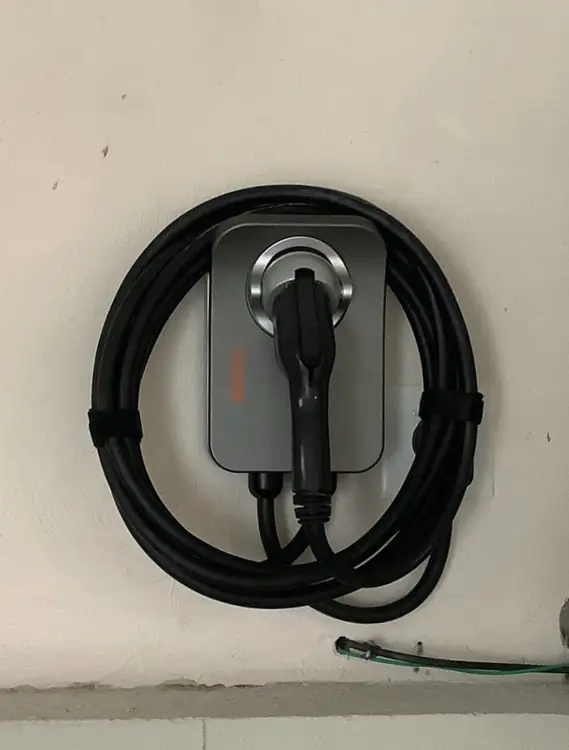
That depends on the charging current, the equipment's instructions, the location and applicable electrical requirements. A hardwired installation avoids a plug-and-receptacle connection and is often a sensible choice for a permanent charging location. A plug-in charger needs a suitable dedicated circuit and compatible receptacle installed for that purpose. An existing outlet should not be assumed to be correctly wired or rated for charging for hours at a time.
What should you have ready before contacting an electrician?
Tell us which EV you drive, the charger model if you've chosen one, where you park, and whether you may add a second EV, heat pump or other major electric appliance. Photos of the closed electrical panel, its visible labels and the proposed charger location can be useful. Never remove a panel cover or touch internal wiring to take photos.
For homes in Lowell, Dracut, Chelmsford, Andover, Nashua, Salem and nearby communities, the goal is the same: recommend charging equipment and a circuit that work with your home, explain any needed upgrades and give you a clear scope before work begins.
Ready to charge your EV at home?
Sylvester Electric has served local homeowners since 1979. Our team can review your panel and charging plans, discuss hardwired or plug-in options and explain whether the existing electrical service can support the installation. Learn more about our home EV charger installation services.
Have us review your charging setup.
Tell our team about your car, charger and parking location. We'll help arrange the appropriate next step during business hours.
Request Electrical ServiceFor additional technical context, see the U.S. EPA's home EV charging guide. Installation decisions depend on the equipment and applicable local electrical requirements.
